
The misinterpretation of Summer Finn
or how (500) Days of Summer deconstructs the Manic Pixie Dream Girl archetype.

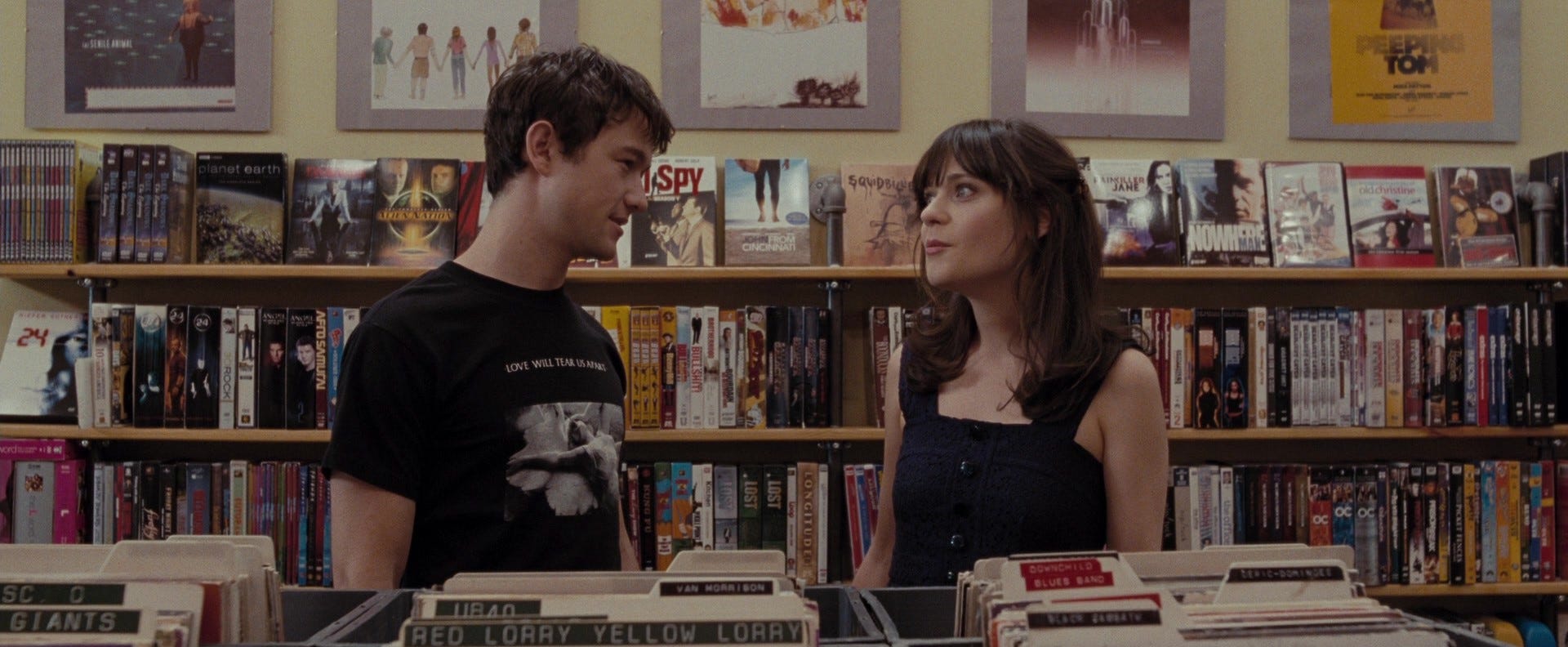
(500) Days of Summer (2009) is an absolute classic. Everybody has seen it or at least heard of it for all the wrong reasons. Ask anyone about it and there is a big chance they will groan at the mention of Summer Finn, the protagonist’s love interest who breaks his heart and ruins his life forever. Or something like that.
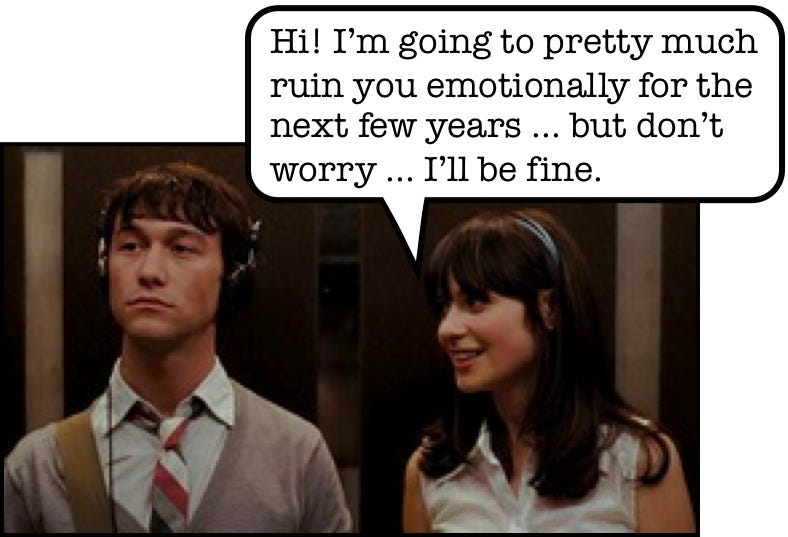
If you grew up online like I did, chances are you encountered memes about Summer being the most evil woman on Earth. While researching for this entry, I dove into blog entries from the late 2000s discussing the movie and the comments were certainly interesting. There is one particular blog entry on Summer from 2010 that explored her character and the connotations behind her “bitch” status. Although it presents points I don’t fully agree with, what I want to address are the comments. They are exactly what you would expect.



All in all, people were not happy with Summer. Memes and comments like this are just grains of sand in the vilification of Summer Finn Beach. You would think she murdered someone by the way people talk about her. On the contrary, I’ve noticed that Summer has gotten her well-deserved redemption in recent years and people seem to understand the true intention of the film. Therefore, defending Summer these days feels unnecessary and redundant.
Still, something can be said about the writers’ intention with her character and how it serves the message the movie is trying to convey. Most importantly, her unique personality has led people to label Summer a Manic Pixie Dream Girl. And yet, the tone of the film and the nuances in Summer beg the question: is Summer Finn an accurate depiction of the Manic Pixie Dream Girl trope? I don’t believe that to be true. I think the movie presents a deconstruction of this archetype and Summer plays an important role in its intention: she is the medium through which this commentary is exposed.

To understand why Summer usually stands out in this conversation, it’s important to revise the concept at play. Film critic Nathan Rabin coined the term Manic Pixie Dream Girls to describe Kirsten Dunst’s quirky character, Claire, in his review of Cameron Crowe’s Elizabethtown (2006). According to Rabin, Manic Pixie Dream Girls “exist solely in the fevered imaginations of sensitive writer-directors to teach broodingly soulful young men to embrace life and its infinite mysteries and adventures.” It’s a strong criticism that implies the one-dimensional nature of these characters and how they ultimately serve as tools for the protagonist to find himself or experience some development.
In recent years, harsh reception from critics and audiences alike brought about the death of the manic pixie dream girl. This criticism is directed mostly at their creators, not so much the characters themselves. In The Problematic (Im)Persistence of the Manic Pixie Dream Girl in Popular Culture and YA Fiction, Jennifer Gouck says that MPDGs are “ephemeral beings” meant to be discarded once the male character has obtained what he wanted from her, which is often to improve his life and find purpose. For that reason, characters are rarely seen outside their interactions with their romantic counterparts. They are limited to being “unlike other girls” and “quirky and different”. She is so crazy, I love her, type of thing. It represents the old-time ideal of women simply existing to complete men; a one-sided relationship.
At first sight, Summer Finn’s role in (500) Days of Summer is limited to being that missing piece in Tom’s life: the love of his life. But there is a twist.
In the film, we meet Tom Hansen, played by Joseph Gordon-Levitt, a hopeless romantic desperate to find “the one” who is immediately smitten with his boss’ new secretary, Summer Finn. She is gorgeous, mysterious, and lively. The problem? She doesn’t believe in love. Her ideas of love and relationships contrast with Tom’s, who thinks he won’t be happy if he doesn’t find his soulmate. Not caring about the multiple times Summer showed her disdain for love and formal relationships, Tom soon begins to project his ideas of an ideal girl onto Summer, leading to heartbreak.
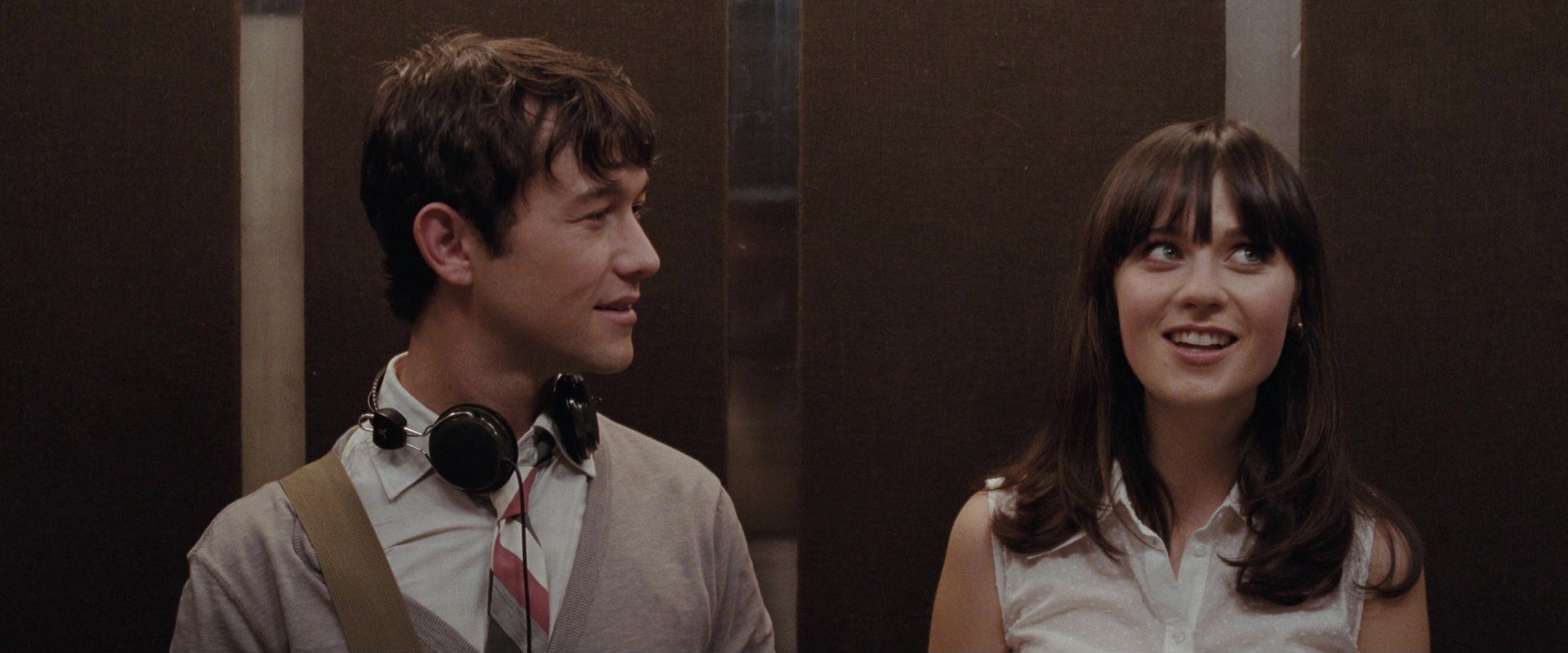
Through Tom’s eyes, we see how Summer checks all the boxes of a manic pixie dream girl. She is, as Tom puts it, different. She likes The Smiths, her favorite Beatle is Ringo Starr, and she yells “penis” from the top of her lungs in public without shame. Oh, and she doesn’t believe herself worthy of love. It’s painfully obvious right from the start how high of a pedestal he places Summer, not knowing the last thing about her desires or inner wounds. Every interaction, Tom makes it about himself. He lacks empathy for her stories, he barely pays her any mind as to why she is the way she is. I understand to an extent why she would be considered one. He sees her as a bubbly, expressive, flirty, and slightly self-destructive girl. Nothing more, nothing less. Tom believes she will change his life.
Additionally, something worth nothing for my argument is that the film is told exclusively from Tom’s point of view. He is blinded by love, a master overthinker, not to mention an exaggerator. His idea of Summer stems from superficial details he learns about her on the spot. This doesn’t stop here, though. At first, their interactions are awkward, but while they seem merely amicable for Summer, it’s romantic tension for Tom. By giving his perception of Summer more credit than necessary, he sentences himself to heartbreak and can only blame her for it, going from absolutely idolizing her to hating her with all his might. His image of a manic pixie dream girl is broken as quickly as it was built, not only for Tom but for the audience as well.

Usually, this doesn’t happen to Manic Pixie Dream Girls. They don’t lose their dream girl status at any point in the story. They are forever immortalized as any man’s object of desire; men leave the theaters wanting to marry a girl like that. Summer is the perfect girl, but when she fails to meet Tom’s standards, she’s not. In an interview for The Guardian, Marc Webb, the film’s director, stated that although Summer presents some traits of a manic pixie dream girl, she ultimately is Tom’s “immature view of a woman”. A woman he’s been dreaming of his entire life to whom he gives no regard nor does he care for what she thinks. The writers intentionally put us in Tom’s shoes and mask her as a perfect girl only to tear that vision apart and expose Summer as a real person, not some fantasy. She is no longer the girl Tom dreamed of. She is so much more.
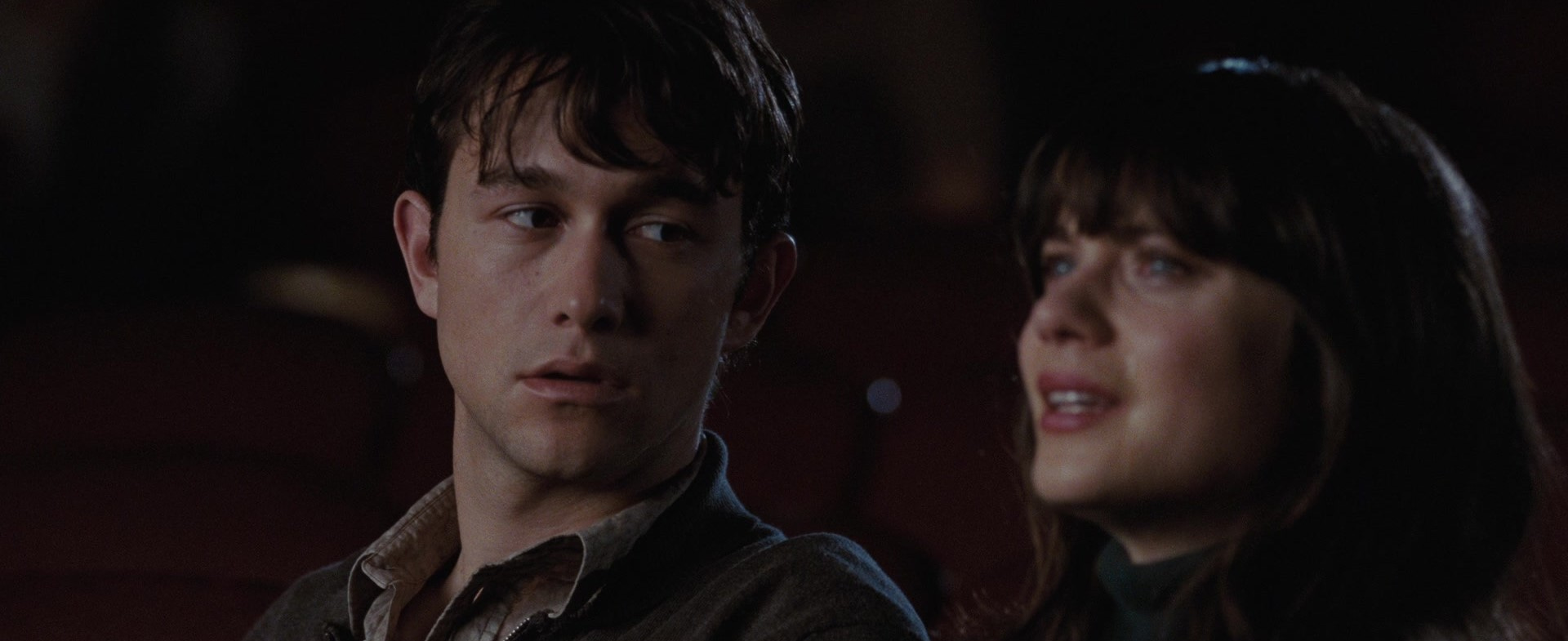
Undoubtedly, Tom is to blame for his heartbreak, but as much as I would like to deny it, Summer is not without fault as she made mistakes, too. She allowed his infatuation with her to grow. Summer’s motive is that she was waiting to be sure whether he was the one for her, a realization that, if true, may jeopardize her lifelong convictions about love which she so earnestly defended. Understandably, this terrifies her. Yet, she stays with him. Also, when they meet again after their break-up, Summer laughs, dances with Tom, and even sleeps on his shoulder on the train back, knowing she has a boyfriend back home. When she invites him to her rooftop party, (intentionally or not, it’s not clear) she forgets to mention her engagement. All these nuances in her behavior give her character complexity and dynamism within the story; something manic pixie dream girls are criticized for lacking. Summer was never meant to give Tom what he wanted and he hated her for it.
In the end (500) Days of Summer is deeper than people think. The debates surrounding both main characters’ true nature are interesting but stray from the film’s intention. I don’t think the writers or the director wanted audiences to judge who’s wrong or right. What they did instead is far more interesting. They cleverly deconstructed a highly criticized archetype to explore modern romantic dynamics and the dangers of falling in love with ideas rather than people. In the process, Summer Finn is born, a compelling character with desires and goals that challenge Tom once he stops seeing her as the ideal girl, vilifying her and pushing the audience to vilify her, too.
It’s unfair to simplify Summer’s role in the movie by calling her a manic pixie dream girl. It erases her persona and her convictions, just as Tom did. As an audience, we are bound to whatever he wants to show us. The film depicts Summer as a manic pixie dream girl because that is the version Tom decides to see. He selfishly ignored the multiple times she explicitly declared that she did not want anything serious, thinking his perfect girl would change his mind because of him.
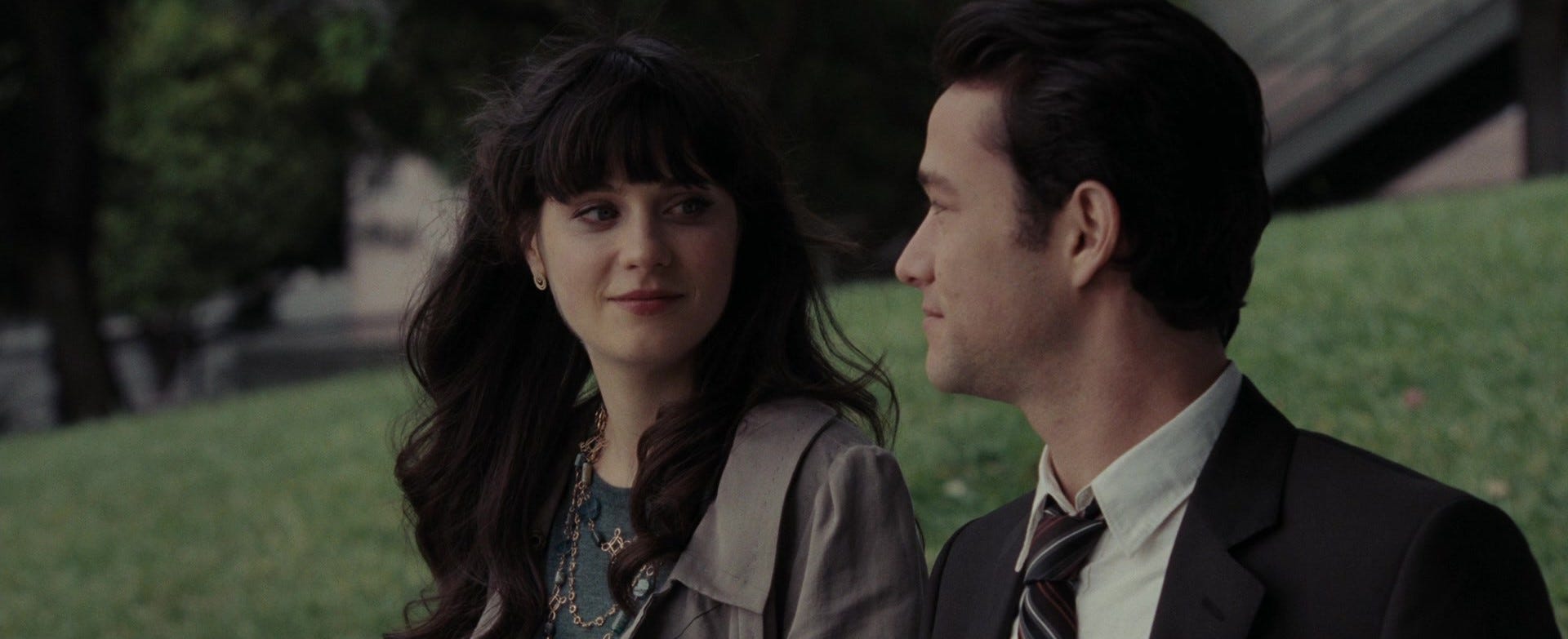
Manic Pixie Dream Girls don’t get a backstory or show any emotional depth outside of what the protagonist wants to see. But Summer does evolve. She changes her mind about love and Tom is why she did. Hence, not only does Summer influence Tom, but it also happens the other way around.
That’s the type of grace manic pixie dream girls are usually not granted.